
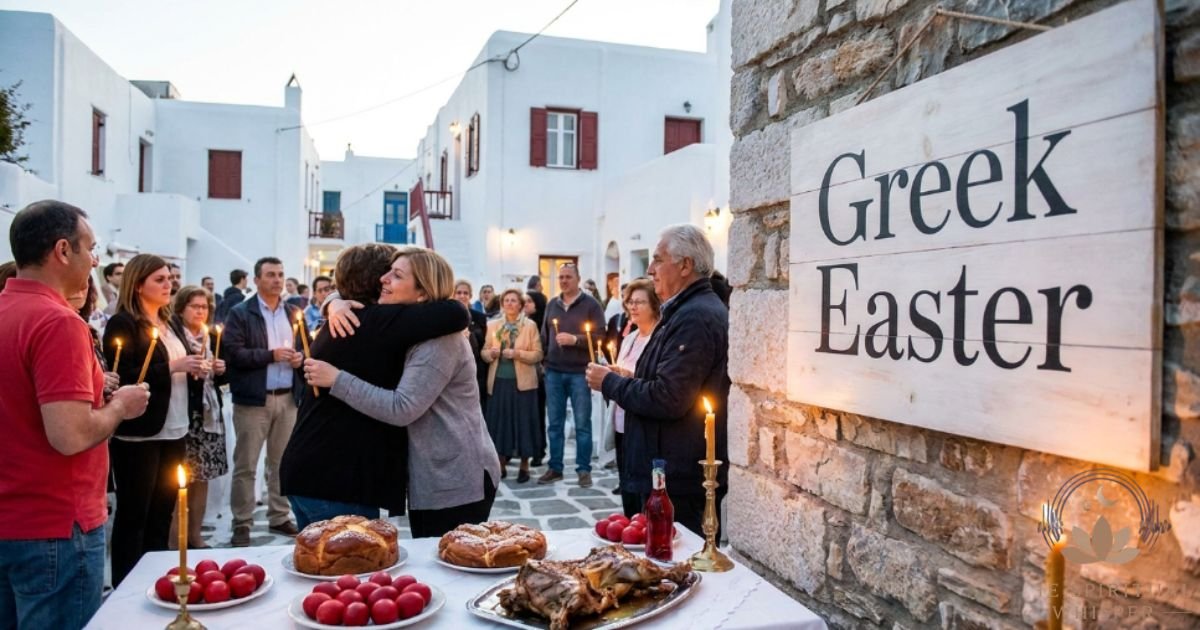
Many people celebrate Easter, but Greek Easter often follows a different date and unique traditions. This can make people wonder why the celebrations are not the same. Easter is deeply rooted in the Orthodox Christian faith, and it follows ancient customs that are still honored today. So, learning about these traditions helps you better understand one of Christianity’s most meaningful celebrations.
In this guide, you will discover what Greek Easter is, why it is different, and how it is celebrated around the world. You will also learn about its history, customs, and special Holy Week events. Therefore, whether you are curious about Orthodox Christianity or planning to join a celebration, this article will answer your questions in clear, simple English. Easter remains a joyful reminder of Christ’s resurrection and the hope it brings to believers.
The Meaning of Greek Easter
The Meaning of Greek Easter points to the resurrection of Jesus Christ and the hope it gives to every believer. Easter reminds Christians that Christ defeated sin and death through His victory over the grave. It is a time to renew faith, rejoice in God’s love, and celebrate the promise of eternal life.
“He is not here; He has risen, just as He said.” Matthew 28:6 (NIV)
Heavenly Father, thank You for the hope we find through Easter and the resurrection of Your Son, Jesus Christ. Help us live each day with faith, love, and joy because You are always with us. Fill our hearts with peace, renew our trust in Your promises, and guide us to share Your grace with others. May the true meaning of this holy season shape our lives and draw us closer to You. In Jesus’ name we pray, Amen.
How to Celebrate Greek Easter
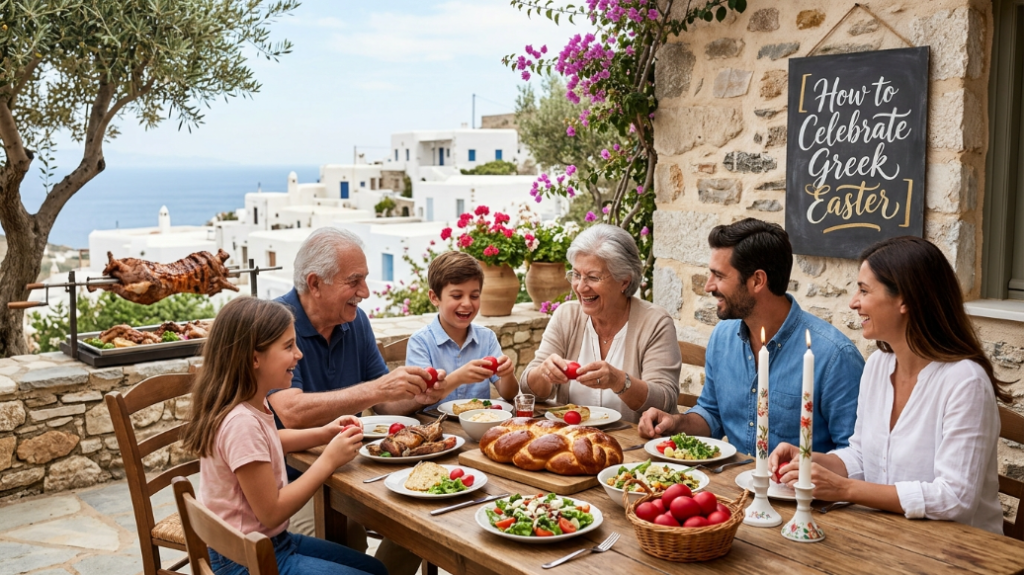
How to Celebrate Greek Easter begins with remembering the resurrection of Jesus Christ. Easter is a time for prayer, worship, Scripture, and joyful fellowship with family and the church. As you celebrate, keep your heart focused on God’s love, hope, and the victory of Christ.
“Therefore, if anyone is in Christ, the new creation has come: The old has gone, the new is here!” 2 Corinthians 5:17 (NIV)
Loving Father, thank You for the joy of Easter and the new life we have through Jesus Christ. Help us celebrate with thankful hearts, faithful worship, and love for others. Guide our families to grow closer to You, and let Your peace fill every home. May our words and actions honor You, and may the hope of the risen Savior shine through our lives each day. In Jesus’ name we pray, Amen.
Greek Easter Foods and Symbols
Greek Easter Foods and Symbols remind Christians of God’s love, hope, and the resurrection of Jesus Christ. During Easter, many families share traditional meals and meaningful symbols such as red eggs and candles. These customs point believers to Christ’s victory over death and the joy of new life.
“Jesus said to her, ‘I am the resurrection and the life. The one who believes in me will live, even though they die.'” John 11:25 (NIV)
Heavenly Father, thank You for the blessings we remember during Easter. As we gather with family and friends, help us look beyond food and traditions and keep our hearts fixed on Jesus. Fill our homes with peace, gratitude, and hope. Teach us to live each day in the light of Christ’s resurrection and to share Your love with everyone we meet. In Jesus’ name we pray, Amen.
Greek Easter Church Services
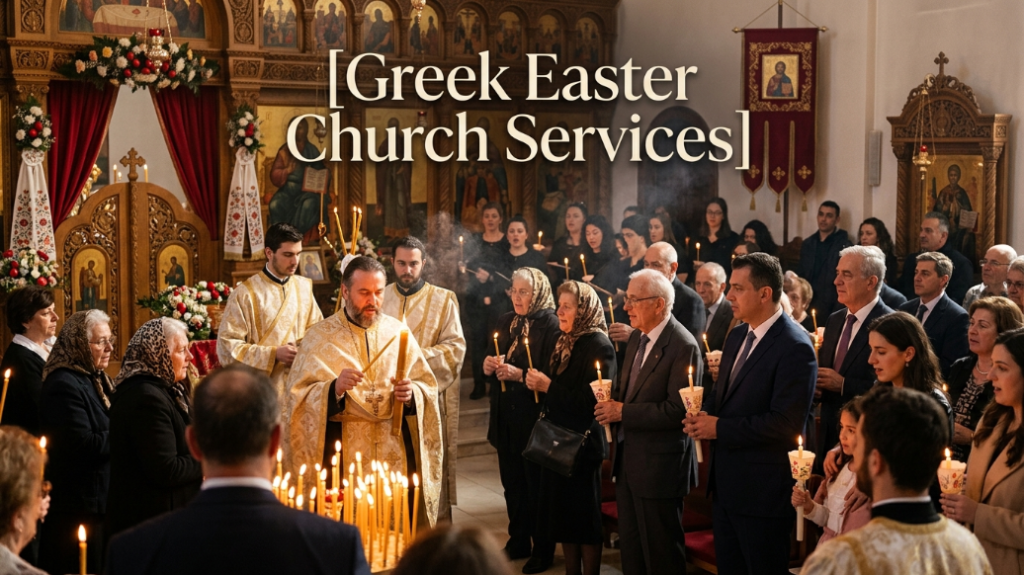
Greek Easter Church Services bring believers together to worship the risen Christ. During Easter, Christians gather to pray, sing, read Scripture, and celebrate the resurrection with joy. These sacred services strengthen faith and remind us that Jesus is alive forever.
“Let us not give up meeting together, as some are in the habit of doing, but encouraging one another.” Hebrews 10:25 (NIV)
Gracious Father, thank You for the blessing of Easter and the joy of worshiping together. Draw our hearts closer to You as we gather in Your house. Fill every church with peace, hope, and the truth of Your Word. Help us encourage one another, grow in faith, and honor Jesus with thankful hearts each day. In Jesus’ name we pray, Amen.
Greek Traditions
Greek Easter Traditions help believers remember the death and resurrection of Jesus Christ. During Easter, families gather for worship, prayer, and joyful celebrations. These traditions point hearts to God’s love, hope, and the promise of new life in Christ.
“Praise be to the God and Father of our Lord Jesus Christ! In his great mercy he has given us a new birth into a living hope through the resurrection of Jesus Christ from the dead.” 1 Peter 1:3 (NIV)
Loving Father, thank You for the beautiful Easter traditions that remind us of Your saving grace. Help us honor You with sincere worship, thankful hearts, and loving actions. May our homes be filled with peace, our faith grow stronger, and our lives reflect the hope of the risen Savior. Guide us to follow Jesus every day with joy and trust. In Jesus’ name we pray, Amen.
Greek Easter Holy Week
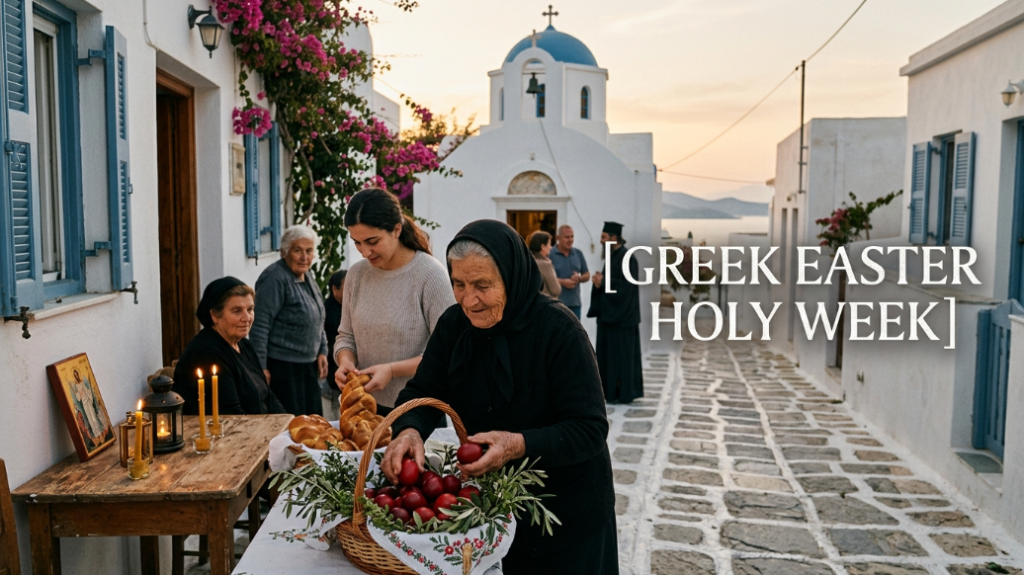
Greek Easter Holy Week is a special time of prayer, worship, and reflection. During Easter, believers remember the final days of Jesus before His resurrection. Each day helps us grow in faith, hope, and gratitude for God’s great love.
“Then Jesus said, ‘Father, forgive them, for they do not know what they are doing.'” Luke 23:34 (NIV)
Heavenly Father, thank You for the blessing of Easter and this holy week of remembrance. Help us follow Jesus with humble hearts and faithful lives. Give us strength to trust You, forgive others, and walk in Your truth each day. Fill us with Your peace, renew our hope, and draw us closer to Your love through the risen Christ. In Jesus’ name we pray, Amen.
Greek Easter vs Western Easter
Greek Easter vs Western Easter often centers on different calendars and traditions. However, both celebrations proclaim the same joyful truth that Jesus Christ is risen. Easter and Western Easter both point believers to God’s saving love and the hope of eternal life.
“He is not here; he has risen!” Luke 24:6 (NIV)
Gracious Father, thank You that the resurrection of Jesus unites believers everywhere. Whether we celebrate or Western Easter, help us keep our eyes on Christ alone. Fill our hearts with peace, strengthen our faith, and teach us to love one another with grace. May the joy of the risen Savior shine through our lives every day. In Jesus’ name we pray, Amen.
When Is Greek Celebrated?
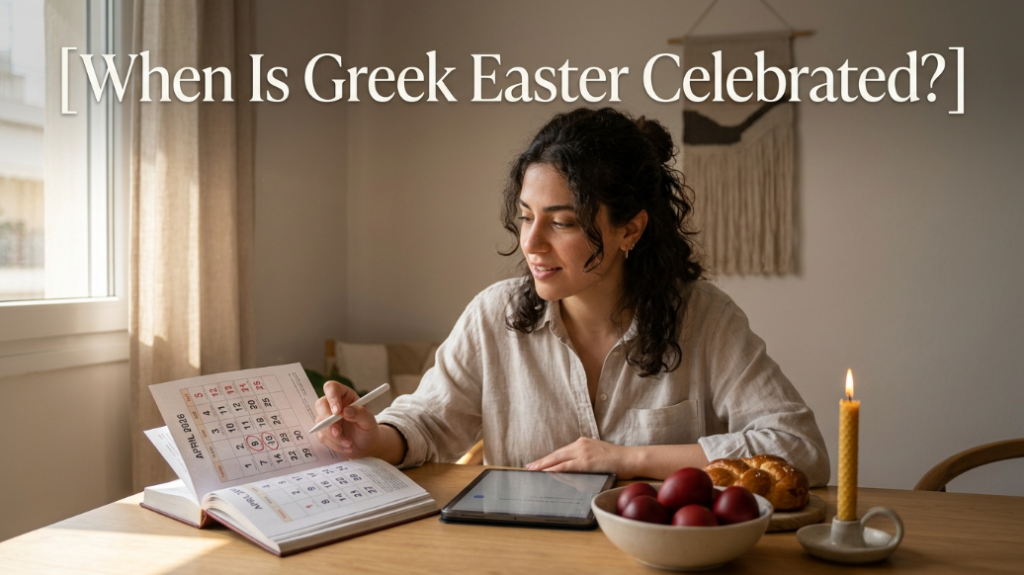
When Is Greek Easter Celebrated? The date of Greek Easter often differs from Western Easter because the Orthodox Church follows a different calendar for calculating the celebration. Even so, the message remains the same. Believers rejoice in the resurrection of Jesus Christ and the hope He gives to the world.
“Praise be to the God and Father of our Lord Jesus Christ! In his great mercy he has given us a new birth into a living hope through the resurrection of Jesus Christ from the dead.” 1 Peter 1:3 (NIV)
Heavenly Father, thank You for the joy and hope we celebrate during Easter. No matter the date, help us keep our hearts fixed on Jesus and His victory over death. Fill us with living hope, strengthen our faith, and guide us to walk in Your truth each day. May our lives reflect the love and grace of the risen Savior. In Jesus’ name we pray, Amen.
The History of Easter
The History of Greek Easter reaches back to the early Christian Church. Easter has been celebrated for centuries by Orthodox Christians as they remember the death and resurrection of Jesus Christ. Its traditions have been passed from one generation to the next, while the message of Christ’s victory has never changed.
“Jesus Christ is the same yesterday and today and forever.” Hebrews 13:8 (NIV)
Loving Father, thank You for the rich history of Greek Easter and the faithful believers who have shared Your truth through the years. Help us treasure the gospel and pass it on with love and courage. Strengthen our faith, keep us close to Your Word, and fill our hearts with the lasting hope found in the risen Christ. In Jesus’ name we pray, Amen.
Why Is Greek Easter Different?
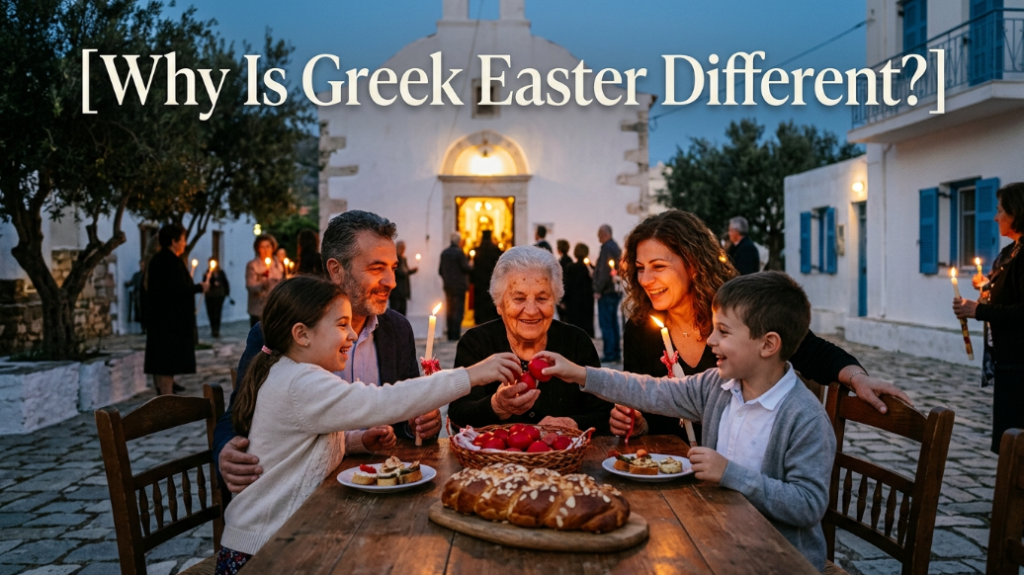
Why Is Greek Easter Different? Greek Easter often falls on a different date because the Orthodox Church uses a different method to calculate Easter. However, the heart of the celebration never changes. Christians rejoice in the resurrection of Jesus Christ and the hope of eternal life.
“Jesus said to him, ‘I am the way and the truth and the life.'” John 14:6 (NIV)
Heavenly Father, thank You for the truth we celebrate through Easter. Help us focus on Jesus instead of our differences. Fill our hearts with peace, strengthen our faith, and unite believers in Your love. May we always rejoice in the risen Savior and share His hope with the world. In Jesus’ name we pray, Amen.
What Is Greek Easter?
What Is Greek Easter? Easter is the most important celebration in the Orthodox Christian faith. It honors the resurrection of Jesus Christ and the victory of life over death. Therefore, it is a season of worship, hope, and joyful thanksgiving for God’s saving grace.
“He is not here; he has risen, just as he said.” Matthew 28:6 (NIV)
Heavenly Father, thank You for the gift of Easter and the joy of Christ’s resurrection. Help us live with faith, hope, and thankful hearts each day. Fill us with Your peace, guide us in Your truth, and remind us that Jesus is alive forever. May our lives reflect Your love and bring glory to Your name. In Jesus’ name we pray, Amen.
FAQ’s
How is Greek Easter different from Easter?
Greek Easter usually follows the Orthodox calendar, so it often falls on a different date. It also includes unique Greek traditions, foods, church services, and celebrations.
What are some interesting facts about Greek Easter?
Greek Easter is known for midnight church services, candlelight celebrations, red eggs, lamb, and the traditional “Christos Anesti” greeting. It is one of Greece’s most important religious celebrations.
Is Easter a good time to visit Greece?
Yes, Easter can be a wonderful time to visit Greece. You can enjoy local traditions, processions, festive foods, and a lively cultural atmosphere.
Why do Greek people have a different Easter?
Most Greek Christians belong to the Eastern Orthodox Church, which uses the Orthodox calculation for Easter. Therefore, Greek Easter often falls on a different date from Western Easter.
Conclusion
Greek Easter is more than a special date on the calendar. It is a joyful celebration of the resurrection of Jesus Christ and the hope He gives to all believers. While some traditions and dates may differ, the message of God’s love remains the same. As you learn about Greek Easter, may your faith grow stronger and your heart be filled with peace.
Thank you for taking time to explore the meaning and traditions of Greek Easter. We hope this guide helps you understand its rich history, worship, and joyful customs. Keep looking to Jesus, trust in His promises, and share His love with others each day. May God bless you with hope, peace, and lasting joy through the risen Christ.